
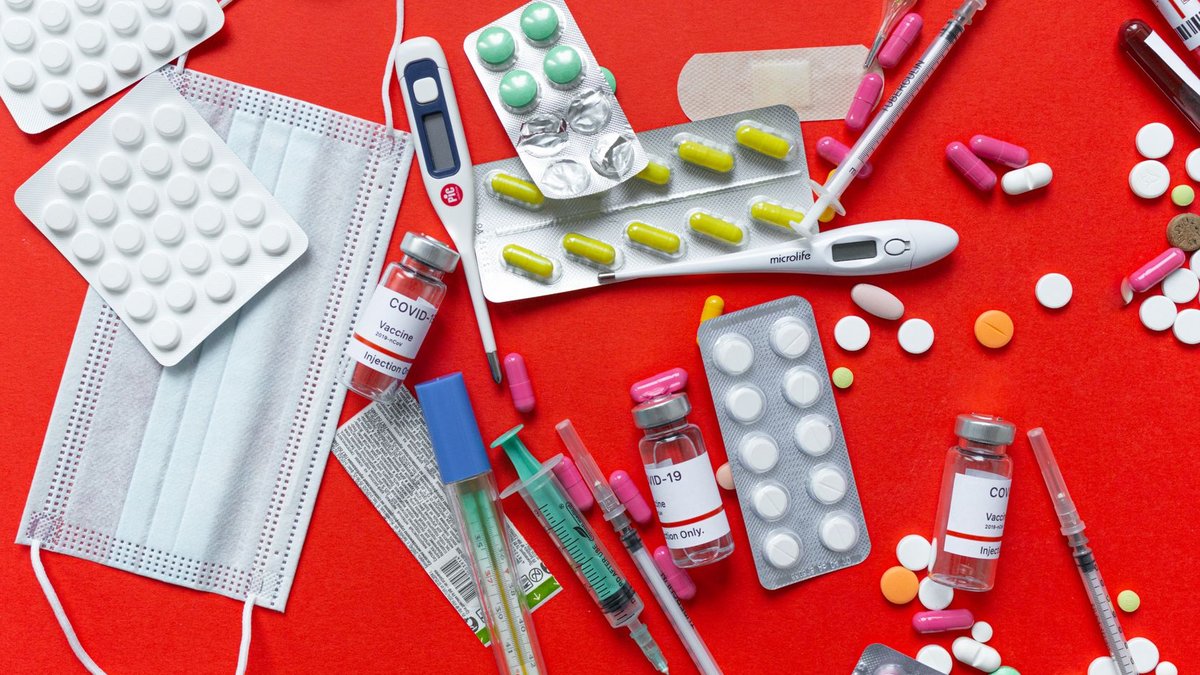
Bangladesh imports nearly 90 per cent of its medical equipment as a potential billion-dollar manufacturing opportunity is left largely untapped for policy shortcomings in the main. As healthcare demand rises and hospitals expand, the country faces a paradox: a fast-growing market for medical technology, but a domestic industry that captures only a fraction of its value. The market was estimated at $442 million in 2020 and projected to reach about $820 million by 2025, according to industry estimates cited in a sector study. Rising incomes, an ageing population and the growing burden of non-communicable diseases are driving demand for diagnostic equipment, hospital supplies and medical technologies.
Yet converting that demand into a competitive manufacturing industry will require the government to address policies that often make importing finished devices cheaper than producing them locally. “We are manufacturing 99 per cent of our medicines but in medical device and equipment market the share of the local manufacturers is only 10 per cent,” says Abdur Razzak, General Secretary of Bangladesh Association for Medical Devices and Surgical Instruments Manufacturers and Exporters’ Association. And this is happening in the same market, he points out. About the existing challenges he has said high lending rate and rising dollar prices are seriously affecting the industry.
Mr Razzak, also the founder of JMI, a leading medical device-manufacturing company of the country, laments that public- healthcare sector had once stopped procuring products of his company for three years till 2025. “Instead, they went for imported products,” he says, adding that this kind of attitude is a barrier to promoting local manufacturing sector.
Bangladesh has over 5,000 public and private hospitals, with healthcare spending estimated at US$14 billion in 2025. Infrastructure upgrades and rural healthcare expansion are driving device adoption. “The growing burden of non-communicable diseases (NCDs)-diabetes, cardiovascular issues, and cancer-is fueling strong demand for diagnostic tools and medical equipment. Diabetes cases alone are projected to reach 43 million by 2030,” says a report by the Bangladesh Investment Development Authority.
Read Also: Bangladesh denim exports to EU rise
As nearly 90 per cent of medical equipment is imported, it reflects the limited scale of domestic production and technological constraints facing local manufacturers. Existing manufacturing is concentrated in relatively low-technology products, including consumables, orthopaedic supplies, medical furniture and basic electro-diagnostic equipment. According to industry insiders, the opportunity is being driven by rising incomes, an ageing population and the growing burden of non-communicable diseases, including diabetes, cardiovascular conditions and cancer.
Greater awareness of early diagnosis, alongside demand for long-term treatment, is expected to expand the use of medical devices across hospitals, clinics and households. Bangladesh’s healthcare infrastructure is also growing. The government plans to expand healthcare delivery, including outside major cities, could further increase demand for equipment and diagnostic services.
Bangladesh’s medical- device imports have grown at an annual compound rate of about 10 per cent, compared with estimated global industry growth of 4.0-6.0 per cent, according to the study. This illustrates both the strength of domestic demand and the extent to which local manufacturers have yet to capture it. Despite the growth potential, healthcare financing remains limited.
Total health expenditure stood at 2.48 per cent of gross domestic product in 2019, while government spending was less than 1.0 per cent of GDP. Healthcare accounted for about 5.0 per cent of the national budget in recent years, according to the study. Patients bear a substantial share of medical costs. Out-of-pocket payments accounted for about 73 per cent of healthcare expenditure in 2019, while insurance penetration was just 0.5 per cent, compared with an average of 3.3 per cent in emerging economies.
Read Also: Govt Sets 30-Day Cap on Capital Repatriation Delays
Per-capita health spending rose from $9 in 2000 to $46 in 2019, but remained low relative to regional peers, a JICA study shows. Diagnostic equipment, instruments and appliances account for about half of medical-device imports by value. Other segments include in-vitro diagnostic products, patient aids, implants and consumables. The study identifies cardiovascular devices, diagnostic-imaging equipment, diagnostic kits and operating theatre and intensive-care equipment as areas with strong growth potential. Experts have said foreign investment and joint ventures could accelerate the large shale production process, giving domestic companies access to production expertise, product designs and international distribution networks. Existing manufacturers could also expand into higher-value products as their technical- capacity improves.
Manufacturers face complex regulations, bureaucratic procedures, limited backward-linkage industries and restricted access to finance. Incentives alone may, therefore, be insufficient. Investors need predictable regulations, transparent registration procedures and a tax structure that encourages domestic production without compromising safety or quality, the JICA study report reads. “Developing the industry will require coordinated action by the government, manufacturers, healthcare providers, universities, research institutions and financial organisations. Priorities include attracting foreign manufacturers, encouraging reinvestment by existing companies, developing technical skills and improving access to finance,” it says. “Closer collaboration between industry and academia could support the design and commercialisation of products suited to local healthcare needs.
Hospitals could help test new devices and build confidence among doctors and patients, while banks and investment funds could finance businesses requiring substantial upfront capital. “Over the longer term, Bangladesh could move beyond basic equipment assembly towards designing and manufacturing more sophisticated technologies. Wearable devices, home healthcare products and affordable diagnostic solutions could offer opportunities, particularly for rural and underserved communities” says the JICA report.
Low labour costs and an established manufacturing base provide a starting advantage, but they do not guarantee success in a sector where technical expertise, regulation and reliability are decisive, it says, adding that without reforms to tariffs, regulation and investment conditions, Bangladesh risks continuing to spend heavily on imported equipment while capturing only a small share of the value generated by its expanding healthcare market.


Leave a Reply