
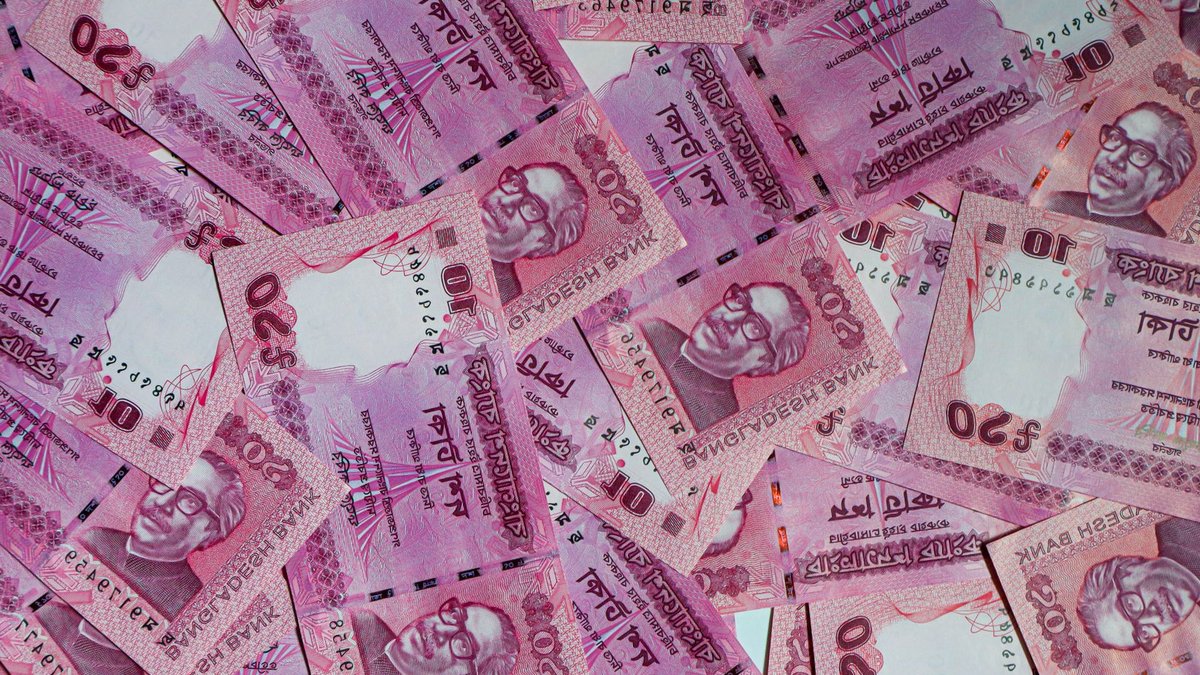
Bangladesh’s export competitiveness faces growing challenges due to the taka’s overvaluation by 6.5% against its ideal benchmark, based on the latest real effective exchange rate (REER) data. The September measurement of 106.29—well above the neutral threshold of 100—indicates the currency remains stronger than economic conditions justify, diminishing the appeal of Bangladeshi products in international markets.
The central bank’s decision to maintain a relatively strong taka, currently at Tk 121.87 per dollar, stems from concerns about inflation differences with trading partners. The REER benchmark suggests the currency should instead align closer to Tk 123.03 to better reflect market realities. Economists argue this discrepancy weakens Bangladesh’s cost-based advantages, particularly in industries sensitive to pricing.
Central bank officials justify the policy by citing potential increases in import costs if the taka were depreciated. “If we depreciate the taka in line with the REER, we will have to pay more in local currency for imported goods,” a Bangladesh Bank official told the FE, requesting anonymity, about the virtues of managed exchange rate. This stance emphasizes that a stronger currency helps stabilize inflation by keeping foreign purchases within reach.
Dr. Md. Ezazul Islam, director-general of the Bangladesh Institute of Bank Management, highlights the long-term dangers of this approach. He notes that sustained overvaluation risks damaging exports and reducing the value of remittances when converted back to taka. He said a persistently high REER would adversely affect exports by making Bangladeshi products relatively more expensive in overseas markets. The longer-term implications could also extend to remittance inflows if an overvalued taka reduces the incentives for expatriate Bangladeshis to send money through formal banking channels.
Related Post: Bangladesh PM pushes for deeper Japan ties in tech
The REER calculation incorporates a weighted basket of 17 currencies, adjusted for trade and remittance patterns, with fiscal year 2023-24 as the reference period. The central bank calculates the REER using this basket, adjusting the nominal exchange rate for relative inflation movements.
Industries dependent on exports, particularly those relying on cost efficiency, are most vulnerable. A persistently raised REER can erode the price advantage of domestic producers in international markets, particularly in export-oriented industries that compete primarily on cost. Policymakers now confront a critical choice: prioritizing inflation control while risking competitiveness or adjusting the exchange rate to revive trade without destabilizing the broader economy.
Remittance senders also face indirect consequences. A stronger taka reduces the purchasing power of foreign earnings when converted, potentially discouraging formal remittance channels. The central bank’s approach, while easing import expenses, may inadvertently weaken incentives for workers abroad to send money through official avenues.
The challenge for authorities lies in reconciling short-term stability with the need to preserve long-term economic resilience. Bangladesh faces a difficult policy tradeoff between bringing inflation under control and allowing further depreciation of the taka to restore external competitiveness, Dr Islam said about the quandary.


Leave a Reply