
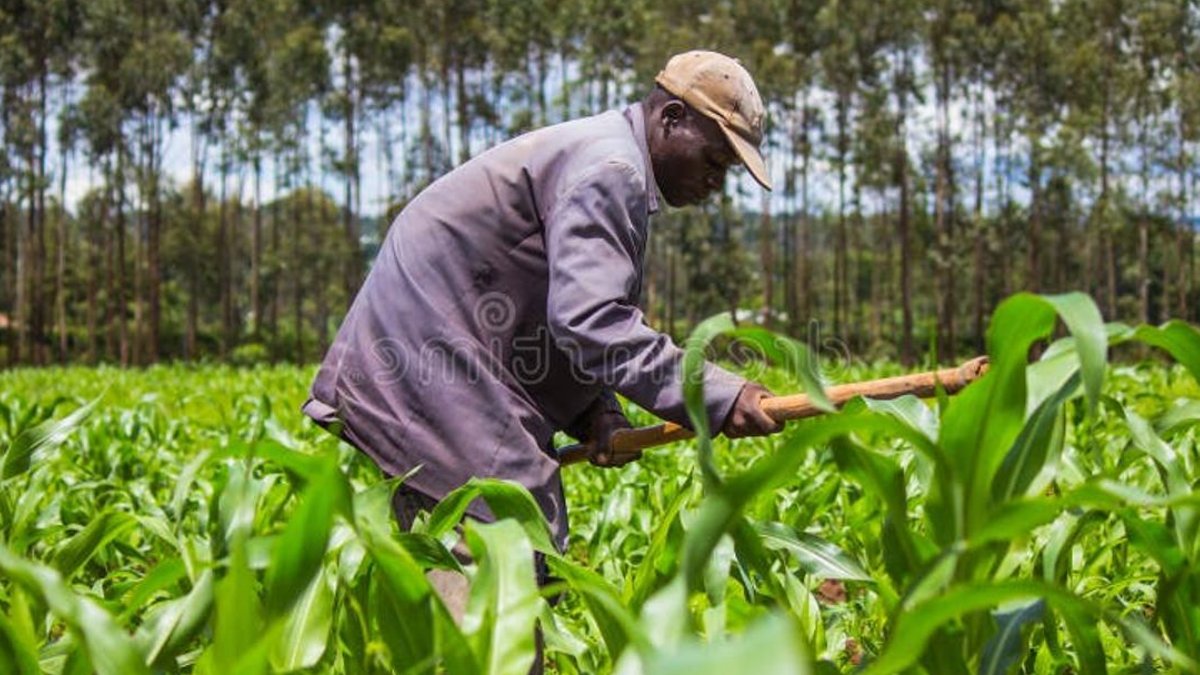
The Kenyan government has launched a Sh6 billion initiative to subsidize 40 million kilograms of certified maize seed, aiming to support farmers affected by a poor harvest in the Rift Valley. Agriculture Cabinet Secretary Mutahi Kagwe stated that this move will reduce the cost of certified maize seed by half, with prices dropping from Sh300 to Sh150 per kilogram.
President William Ruto announced the new pricing during a visit to the Coast region, positioning it as part of a broader shift in agricultural policy. He emphasized a transition from subsidizing consumption to subsidizing production, lowering input costs to boost farmer productivity and enhance national food security.
New Seed Prices and Distribution Channels
The revised seed prices will take effect next month, distributed through the Kenya Seed Company, which produces approximately 36 million kilograms annually. Private seed producers will cover the remaining demand. The subsidy follows an existing fertilizer subsidy program, which has cost the Exchequer Sh78.79 billion since 2022.
According to Kagwe, 33.5 million 50-kilogram bags of subsidized fertilizer have been distributed to around 1.98 million farmers. A recent Sh500 reduction has lowered the cost of a 50kg bag to Sh2,000, down from Sh7,500 before the program began, marking a 73% cumulative drop since 2022.
Read Also: Equity Group gets asset management license
Maize Production and Import Trends
Government data reveals that annual maize production increased from 34.3 million bags in 2022 to 73 million bags in 2025, with output rising from 3.087 billion kilograms to 6.57 billion kilograms.
However, this year’s production, initially projected at 77 million bags, faces challenges due to uneven rainfall, threatening crop failure in major growing zones. Kagwe emphasized the importance of ensuring farmers can recover from crop losses without being burdened by high seed and fertilizer costs.
The impact of these challenges is evident in Nakuru County, where brokers are buying up limited maize supplies from farmers following a poor harvest. Similar reports have emerged from Narok and other South Rift counties.
Seed Packaging and Distribution
The subsidized seed will be available in various package sizes. A 2kg packet will cost Sh300, down from Sh600, while a 10kg bag will retail at Sh1,500, reduced from Sh3,000. The largest option, a 25kg bag, will be priced at Sh3,750, a significant drop from its previous Sh7,500.
Read Also: Kenyan Banks Thrive as Tanzania’s Sector Rapidly Expands
Distribution will be managed through designated outlets, including the National Cereals and Produce Board, ensuring farmers can access the subsidized seed. This approach aims to prevent diversion and ensure that the intended beneficiaries receive the support.
Challenges and Future Considerations
While the seed subsidy is a welcome relief, it does not address the underlying issues of drought and rainfall variability. These climate-related challenges are causing crop failures in several regions.
Subsidy Program Challenges and Open Questions
The subsidy program faces three key challenges. First, its fiscal sustainability is uncertain, with Sh78.79 billion spent on fertiliser subsidies since 2022 and an additional Sh6 billion for seeds, straining an already pressured budget. The government has not disclosed the cost of the current fertiliser tranche, limiting independent verification of its fiscal soundness. Second, ensuring distributional effectiveness remains a hurdle. Past fertiliser subsidies have faced leakages, diversion to neighbouring markets, and distribution bottlenecks, raising concerns about whether smallholders will access the subsidised inputs.
Similar risks apply to the seed subsidy, especially given the large volume and involvement of private producers with commercial incentives. Third, input subsidies do not address immediate climate-driven crop failures in affected regions. While cheaper seed aids next season’s planting, it does not offset this season’s losses or mitigate drought impacts. The Cabinet Secretary acknowledged the need for irrigation and climate-smart investments, but these commitments are far less concrete and far more capital-intensive than a seed price cut.


Leave a Reply