
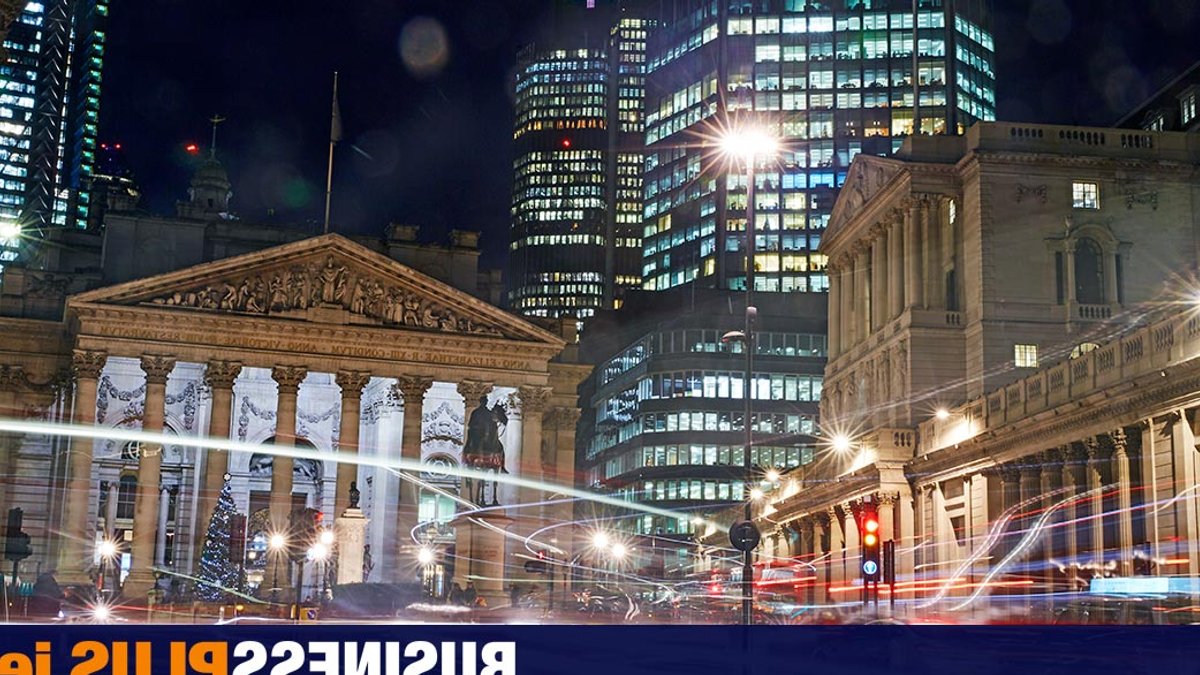
The Bank of England kept interest rates at 3.75% this week but signaled a possible future increase as global tensions fuel inflation concerns.
Governor Andrew Bailey said conditions feel as unstable as during the early US-Iran conflict, though he clarified the Bank is not preparing an immediate move. The Monetary Policy Committee voted 6-3 to hold rates, a closer decision than before after rate-setter Catherine Mann changed her vote to support a quarter-point rise.
Inflation risks rise as Middle East conflict drags on
Mann pointed to the failed US-Iran ceasefire, expanding Middle East hostilities, and shifting energy prices as key factors in her decision. Bailey admitted global factors had turned more inflationary, though he called domestic conditions relatively stable.
Markets still anticipate at least one rate increase before year-end. Odds of a September hike have dropped below 30%, yet traders remain cautious about persistent price pressures. Government borrowing costs eased slightly, with 10-year UK bond yields falling 5% after a sharp rise the day before.
Related: NAMA winds down with €5.6bn surplus
The Bank revised its inflation forecast to peak above 3% in 2026, up from the current 2.6%, as household energy bills climb from £1,663 to £1,680. If oil prices exceed $100 a barrel, inflation could surpass 4% next year. Brent crude currently trades just above $90.
Growth is expected to weaken, with the Bank projecting modest expansion of 1.1% this year. Unemployment, currently at 4.8%, is predicted to edge up to 5.1% by December.
The Bank’s position requires careful judgment: maintaining rates to support growth while staying prepared to act if inflation remains high. Prolonged Middle East tensions increase the likelihood of further tightening, though weak growth makes any move risky.
Deutsche Bank’s chief UK economist Sanjay Raja said extended conflict raises the odds of a policy change soon. The Bank stated it would respond if inflation stays above its 2% target.
Related: Bank of America signs lease at Belfast Harbour City Quays 3
Markets brace for uncertainty
Bailey’s remarks did not calm investors. Though he emphasized the Bank was not leaning toward a hike, traders still factor in higher rates. The 6-3 vote, with three members favoring an immediate increase, reveals growing divisions within the committee.
The updated forecasts show the Bank’s difficult position. Inflation may ease but could surge again if energy markets tighten. The economy is already struggling, with slowing growth and rising unemployment.
The Bank seems willing to monitor developments for now. But with geopolitical risks rising and inflation above target, pressure to act may build in the coming months.


Leave a Reply