
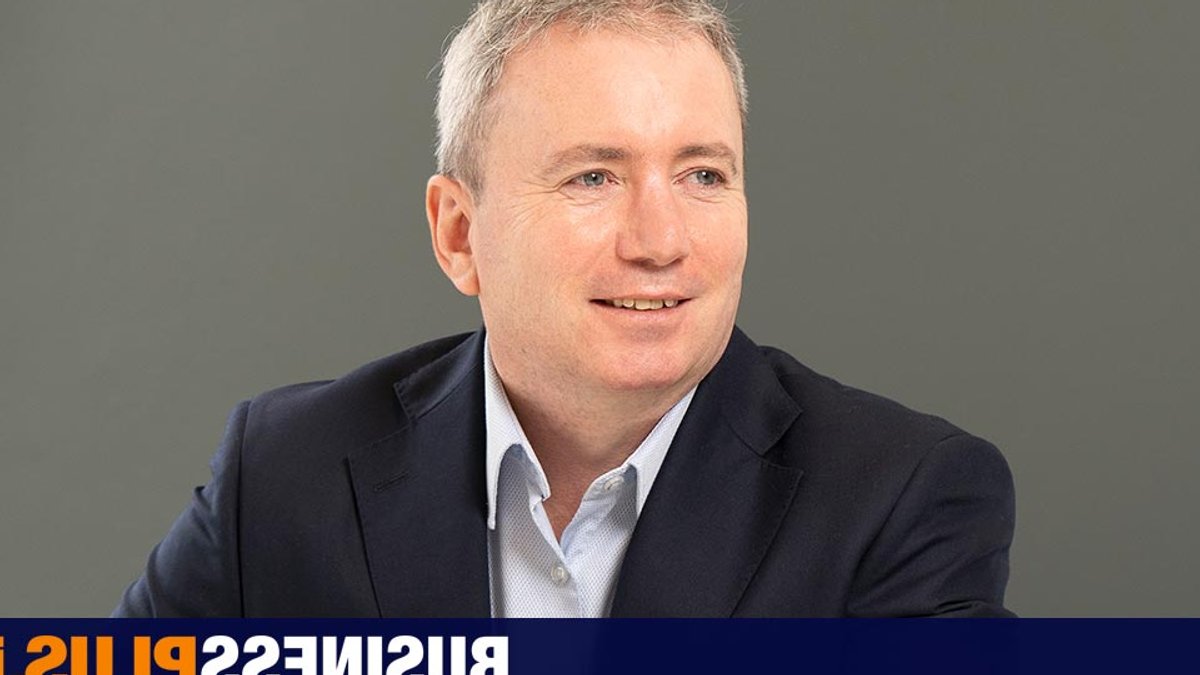
Gerry Vahey, partner and head of tax at Forvis Mazars, shared insights into his career path and business philosophy in a recent interview.
From a Mayo farm to tax leadership
Vahey grew up on a farm in County Mayo, an upbringing that taught him a strong work ethic early on. After completing a business program at the College of Commerce in Rathmines, he spent a period working in the plumbing trade before returning to the corporate world. He finished an ACA training contract and later passed the tax examinations, paving the way for his current role at the accounting firm.
Key lessons on incentives and motivation
When asked about the best business advice he ever received, he highlighted the importance of incentives. “People generally do exactly what they are incentivised to do,” he explained, adding that when a process fails, the first step is to examine what the system rewards.
Understanding what drives individuals is central to solving most business challenges. “If you get that right, most other business problems become much easier to solve,” he said.
He reflected on early ambitions, noting a childhood fascination with World War II history and a desire to join the army, though his career ultimately shifted toward finance.
His approach to business problems often involves intense focus. When a project captures his interest, he “goes very deep into it,” though he admits he sometimes lingers too long on analysis before taking action.
Related: Six judges named for first Marketer of the Year awards
Among the figures who have inspired him, he named Michael O’Leary, the Ryanair group CEO. He praised O’Leary’s role in making air travel affordable and expanding access across Europe, noting how Ryanair’s model helped unlock economic development in previously overlooked regions.
His favorite piece of clothing is a Mayo football jersey, a garment he joked has tested his resilience more than any business challenge.
He mentioned not taking enough risks earlier in his career, adding that most setbacks prove survivable with experience.
He also highlighted Intercom, an Irish‑founded global technology firm, as a business he wishes he had invested in a decade ago, citing its demonstration of Irish entrepreneurial capability on the world stage.
In a hypothetical home fire scenario, he would rescue his mobile phone after ensuring his family’s safety, emphasizing the device’s role as a multifunctional tool that now replaces ten others.
He expressed a desire to have known earlier that understanding people outweighs understanding processes, reinforcing his view that incentives, motivations, and relationships are at the heart of most business issues.
Related: State Street takes new Dublin hub
If given a month as Taoiseach, he would introduce a targeted tax incentive for Irish‑owned firms expanding internationally, arguing that while start‑ups receive much support, successful businesses need more help to scale.
Writing, he said, “allows knowledge to accumulate across generations. Everything else builds on that.”
From a practical standpoint, his focus on incentives suggests that companies looking to improve performance should audit their reward structures regularly. By aligning incentives with desired outcomes, firms can reduce friction and streamline decision‑making.
His perspective also hints at a broader shift needed in Irish economic policy: moving beyond nurturing new ventures to bolstering those ready to compete globally. Such a shift could help retain talent and keep capital within the country.
Overall, his reflections paint a picture of a leader who values deep understanding, measured risk‑taking, and the power of well‑aligned incentives to drive business success.


Leave a Reply